
Robots: From Science Fiction to Everyday Life
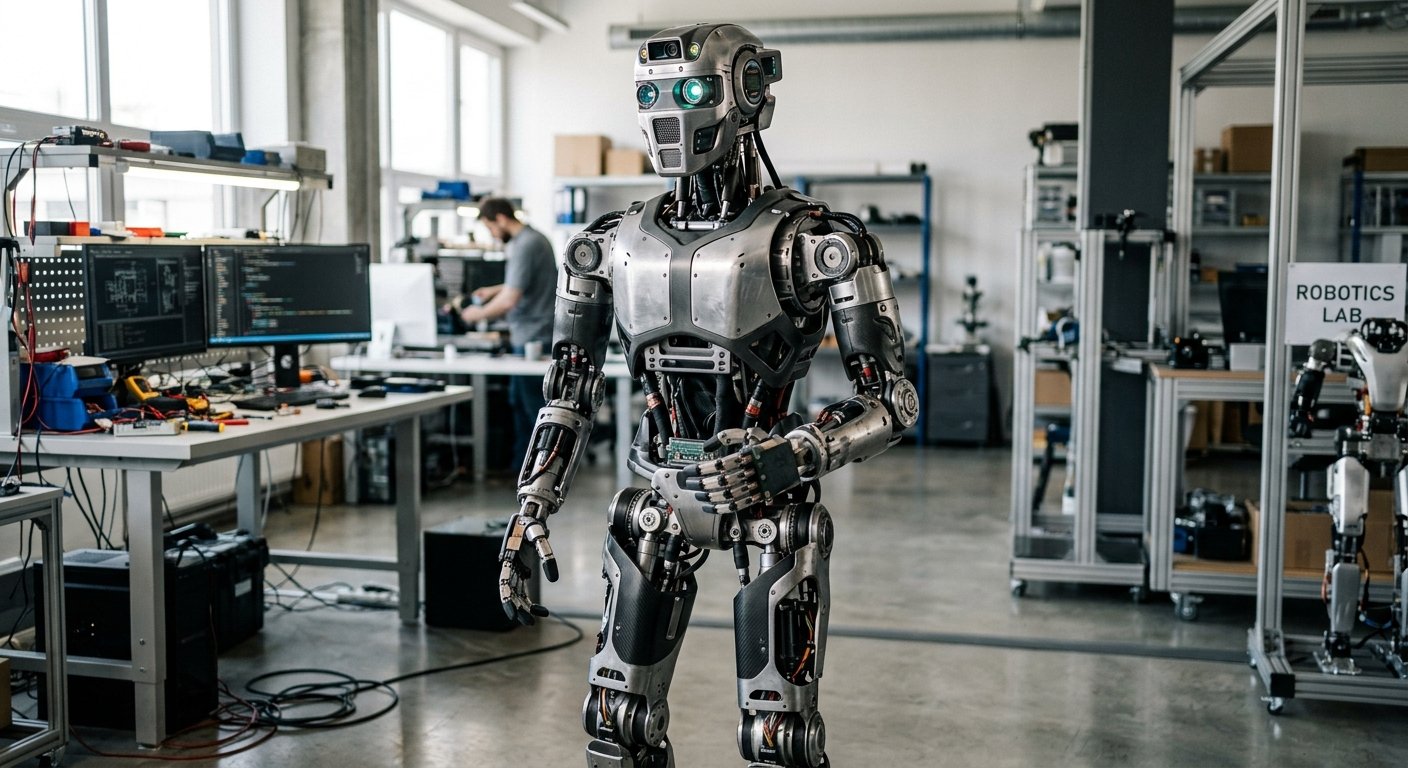
For decades, the word “robot” conjured images of gleaming chrome figures from futuristic movies, traversing distant planets or serving as loyal mechanical companions. Today, however, robots are rapidly transitioning from the realms of science fiction to becoming an integral part of our daily lives. From the manufacturing floors that build our cars to the operating rooms where complex surgeries are performed, robotics is revolutionizing countless industries and reshaping the way we work and live.
So, what exactly *is* a robot? In essence, a robot is a machine capable of carrying out a complex series of actions automatically, often programmable by a computer. They can be simple devices designed for a single repetitive task or highly sophisticated systems equipped with advanced sensors, artificial intelligence (AI), and autonomous capabilities. This incredible versatility is what makes robotics such a powerful and transformative technology.
The Practical Applications of Robots Today
The practical applications of robots are vast and continue to expand at an astonishing rate. Here are just a few key areas where robots are making a significant impact:
-
Manufacturing and Automation: Perhaps the most visible application, robots dominate modern manufacturing. They excel at high-precision tasks like welding, painting, assembly, and material handling, operating with speed, accuracy, and tireless efficiency that far exceeds human capabilities. This automation drives down production costs and enhances product quality.
-
Healthcare and Medicine: Robots are increasingly used in healthcare, from delicate surgical procedures to rehabilitation and patient care. Robotic-assisted surgery offers surgeons greater precision and control, potentially leading to faster recovery times and better patient outcomes. Robots can also assist with tasks like disinfecting hospital rooms and delivering supplies.
-
Logistics and Warehousing: E-commerce giants rely heavily on robots to optimize their warehouses. Automated guided vehicles (AGVs) and autonomous mobile robots (AMRs) navigate warehouses, transporting goods, picking orders, and managing inventory with incredible efficiency, dramatically speeding up order fulfillment.
-
Service and Hospitality: In hotels, restaurants, and retail settings, service robots are becoming more common. They can greet guests, provide information, deliver room service items, and even prepare and serve food and drinks, enhancing customer service and optimizing operations.
-
Agriculture: Robots are transforming agriculture through precision farming. Autonomous tractors can plant, fertilize, and harvest crops, while robotic systems equipped with cameras and AI can identify and remove weeds, significantly reducing the reliance on pesticides and optimizing crop yields.
-
Exploration and Hazardous Environments: Robots can go where humans cannot, exploring the depths of the ocean, the far reaches of space, and hazardous environments like nuclear power plants or disaster zones, gathering crucial data and performing essential tasks safely.
The Driving Force: How Robots are Advanced by AI
The remarkable capabilities of modern robots are largely driven by advancements in Artificial Intelligence. AI acts as the “brain” of the robot, enabling it to perceive its environment, learn from data, make decisions, and adapt to changing situations. Without AI, robots would remain primarily rigid, pre-programmed machines.
Key AI technologies fueling robotic innovation include:
-
Machine Learning (ML): ML algorithms allow robots to analyze vast amounts of data and learn from their experiences. This enables them to improve their performance over time, optimize energy consumption, predict maintenance needs, and adapt to new tasks or environments.
-
Computer Vision: Robots equipped with cameras and computer vision algorithms can “see” and interpret their surroundings. This is crucial for navigating dynamic environments, identifying and manipulating objects, and recognizing human presence and gestures.
-
Natural Language Processing (NLP): NLP enables robots to understand and respond to human language, facilitating more intuitive and natural interactions. This is essential for service robots, virtual assistants, and cobots (collaborative robots) that work alongside humans.
The Future of Robotics: What Lies Ahead?
As AI continues to advance, the potential applications for robotics are boundless. We can expect to see:
-
Increased Autonomy: Robots will become increasingly autonomous, capable of complex decision-making and operating independently in unstructured environments. Self-driving cars and delivery drones are just the beginning.
-
Enhanced Collaboration: Cobots will become more sophisticated, working seamlessly and safely alongside human counterparts in shared workspaces, boosting productivity and safety across various industries.
-
Personalized and Adaptive Systems: Robots will become more personalized, adapting to individual user needs and preferences, whether it’s a personalized rehabilitation program or a home assistant that anticipates your needs.
-
Miniaturization and Swarm Robotics: We’ll see smaller, more dextrous robots and the development of swarm robotics – groups of simple robots working together to achieve complex tasks, mimicking the collective intelligence of ants or bees.
Conclusion
Robots are no longer futuristic concepts; they are tangible technologies reshaping our present and promising to revolutionize our future. From the efficiency gains in manufacturing to the lifesaving precision of surgical robots, the benefits of robotics are undeniable. As AI continues to evolve, we can expect to see even more innovative and impactful applications, further integrating robots into the fabric of our lives and opening up new possibilities we have yet to fully imagine. Embracing this robotic revolution thoughtfully and responsibly will be key to unlocking its full potential and ensuring a future where humans and robots work together to build a better world.