
OpenAI Wants to Fix the AI Bill Nobody Can Explain
A few power users can quietly blow up a company's AI budget — and most teams can't even see it happening. OpenAI just shipped the fix. Here's what ChatGPT Enterprise's new analytics and spend controls actually do, and why they mark a turning point for enterprise AI.
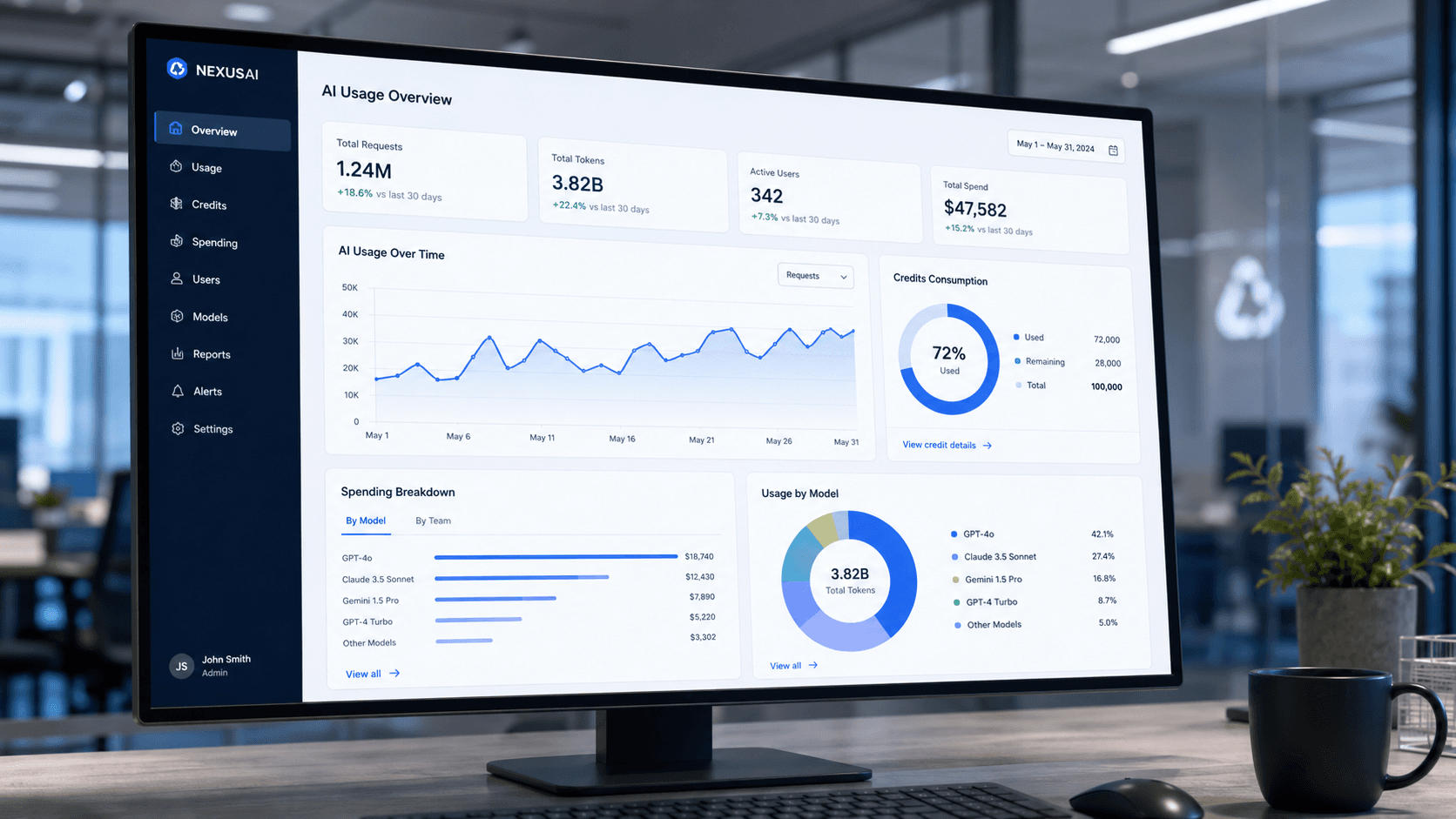
Ask most companies how much they're spending on AI right now and you'll get a number. Ask them where that money is going, and things get awkward.
That's the gap OpenAI went after this week. On June 18, it rolled out a set of usage analytics and spending controls for ChatGPT Enterprise — basically, a way for businesses to finally see and steer their AI costs instead of just paying the invoice and hoping for the best.
It's not a glamorous release. No new model, no demo that breaks the internet. But if your company is spending real money on AI, this might end up mattering more than half the splashier announcements you've seen this year.
Why this was even needed
Here's what's been happening inside a lot of big companies.
You hand ChatGPT Enterprise to a few thousand employees. Most use it here and there. But a small slice of people — the engineers leaning on Codex all day, the analysts spinning up report after report — end up burning through a huge chunk of the budget. And until now, leadership mostly couldn't see any of that. Just one big total at the end of the month, no real breakdown of who or what was driving it.
OpenAI's pitch is that AI has gotten too important to manage that loosely. Companies want the same clear view of cost and value they'd expect from any other big investment. Sounds obvious. It just hasn't been possible with these tools until recently.
The visibility side
The heart of this is an upgraded Global Admin Console — the dashboard enterprise customers already use to run their setup. It now shows how both ChatGPT and Codex credits are getting used across the whole company.
A few things admins can actually do with it:
See consumption split by individual person, by product, and by specific model. So instead of one murky lump sum, you get the real picture of where credits go.
Watch trends as they move. You can track how usage shifts month to month, spot your heaviest users, and notice patterns forming across teams before they turn into surprises.
And for the more technical crowd, there's a Cost API — meaning you can pull all that credit data straight into your own internal dashboards and finance tools rather than living inside OpenAI's interface.
Put simply, AI spend stops being a mystery and starts being something you can actually measure and question.
The control side
Seeing the problem is one thing. Doing something about it is another — and that's the rest of this update.
Admins can now set a default credit limit across the entire workspace, which gives you a baseline budget for everyone. From there, you can set different limits for different teams, because let's be honest, engineering and marketing don't burn through AI at the same rate. And when one person genuinely needs more, you can bump up their limit individually without raising the ceiling for their whole department.
That last bit is quietly the smartest part. Before, giving one heavy user more room often meant loosening limits for everyone around them, and costs crept up across the board. Now that power user gets handled as a one-off exception, and everybody else's budget stays put.
Employees aren't locked out of the conversation
This isn't purely a leadership-controls-everything situation, which is good.
People can check their own credit usage against whatever budget they've been given, right in their workspace settings. Running low? They can ask for more — and attach context about what they're working on when they do.
That small detail solves a real annoyance. No more hitting an invisible wall halfway through something important, and no more admins playing guessing games about who needs what. Someone asks, explains why, and it gets sorted. Individual people get unblocked without the company having to hand out blanket increases.
The bigger thing this signals
Zoom out and this release says something about where AI actually is right now.
The first stretch of enterprise AI was a land grab. Get the tools in, prove they work, sort out the efficiency stuff later. That era's basically over. We're into the next phase now — the one where the question stops being "should we use this?" and becomes "are we using it well, and is it actually paying off?"
The tell is that runaway costs from power users got big enough to warrant their own product. AI spending inside companies has grown into something that needs real financial governance, the same way cloud computing or software licenses do. It's grown up, in other words.
There's a business angle for OpenAI too. The company's been leaning harder into enterprise, and tools like this do something a little counterintuitive — they make clients more willing to spend, not less. When the bill stops being scary and unpredictable, people relax and use more. Cost control and growth tend to go hand in hand.
So who actually cares about this?
If you run finance or IT, this is the stuff you've been asking for. You can finally connect AI spend to specific teams and results, forecast properly, and stop approving bills you can't fully break down.
If you manage a team, you get a budget you can actually hold without hovering over everyone's shoulder. Set the limit, let people work, deal with the exceptions as they come.
If you're just someone using the tool, it mostly means less friction. You can see where you stand and ask for more when you really need it.
And if you're a rival AI company? You're probably already building something similar. Cost controls are quickly becoming the price of admission for selling AI to big organizations.
Bottom line
This won't trend on social media. But for companies genuinely running AI at scale, financial visibility might matter more than the next clever feature.
For a couple of years now, the whole conversation has been about what AI can do. This is a sign the conversation is shifting toward doing it sensibly measured, accountable, no billing landmines. Enterprise AI is emerging from its experimental phase and evolving into a mature expense that companies can manage effectively.
If AI has quietly turned into one of your bigger costs, the takeaway is pretty simple: now you can see where it's all going, and decide on purpose where it should.
The features are live for ChatGPT Enterprise customers as of now.
Not running an enterprise? The same problem is hitting smaller teams just as hard — usually with far less visibility. Here's what OpenAI's spend controls actually teach small businesses about managing AI costs — including a simple monthly habit to keep your AI budget under control.
Is your company actually tracking its AI spend yet, or still flying blind? Tell us below.